
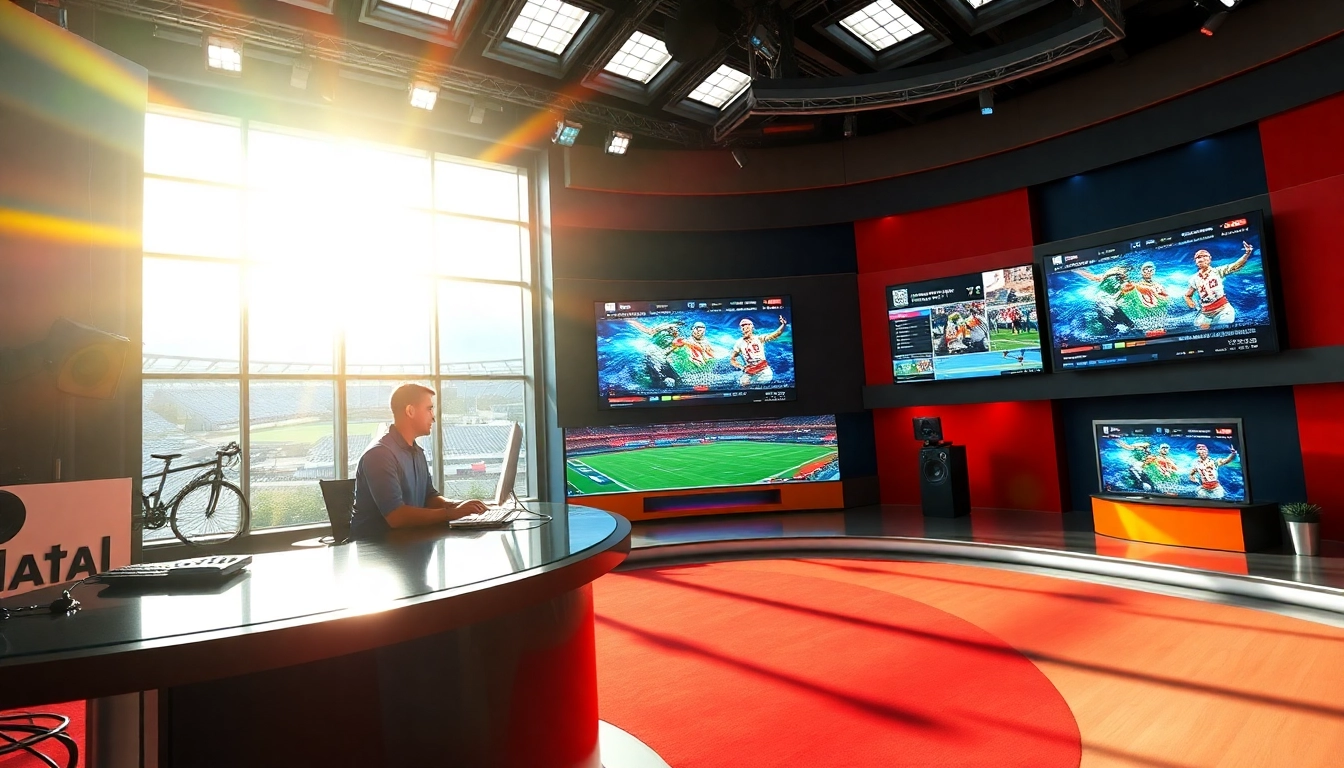
Introduction to Sports Broadcasting
Definition of Sports Broadcasting
Sports broadcasting refers to the reporting and dissemination of sports events through various media channels, including television, radio, and digital platforms. It plays a crucial role in how viewers experience sports, providing not only live coverage but also analysis, commentary, and a deep dive into sports narratives. The convergence of technology and creativity in sports broadcasting transforms a simple game into a comprehensive multi-sensory experience, engaging fans around the world. For insights into this dynamic field, explore Sports Broadcasting.
History and Evolution of Sports Broadcasting
The journey of sports broadcasting began in the early 20th century with radio broadcasts, allowing fans to experience games from their homes for the first time. As the medium evolved, television took center stage in the 1950s, introducing visuals that brought sports to life in ways previously unimagined. Key milestones include the first televised World Series game in 1947 and the widespread adoption of color TV that significantly enhanced the viewing experience. The advent of cable television expanded the reach of sports programming, introducing dedicated sports networks that cater to niche audiences. More recently, the Internet revolutionized how sports are consumed, enabling live streaming and on-demand viewing, reflecting a rapid evolution that continues to adapt to changing consumer behaviors.
Current Trends in Sports Broadcasting
Today, sports broadcasting is undergoing transformative changes driven by technology and viewer preferences. Major trends include the rise of streaming services that provide access to live sports without traditional cable subscriptions, leading to the emergence of ‘cord-cutting’ practices among consumers. Data analytics plays a vital role, offering insights into viewer engagement and behavior, thereby shaping programming decisions. Furthermore, personalized content delivery via apps and social media platforms enhances fan interaction, creating tailored viewing experiences. As engagement rises, broadcasters are investing in exclusive online content and interactive features to retain viewership and cater to a more connected audience.
The Role of Technology in Sports Broadcasting
Impact of Streaming Services on Sports Broadcasting
The shift from traditional broadcasting to streaming services represents one of the most significant changes in sports broadcasting. These platforms offer flexibility for viewers, allowing them to watch events on various devices anytime, anywhere. The increasing popularity of subscription-based models has led to a proliferation of channels focused solely on sports, providing consumers with more choices than ever. This trend not only challenges traditional networks but also demands innovative strategies for content creation and distribution, ensuring that digital offerings keep pace with consumer expectations. As a result, broadcasters are exploring hybrid models that blend live experiences with on-demand content to enhance viewer satisfaction.
Use of Augmented Reality in Broadcasts
Augmented reality (AR) is revolutionizing sports broadcasting by creating immersive viewing experiences that enhance audience engagement. AR technology allows broadcasters to overlay digital data and graphics onto live sports events, providing real-time statistics, player information, and visual enhancements that enrich storytelling. For instance, during a football match, AR can display player statistics as they make impactful plays or highlight critical game moments, helping viewers grasp the action in a deeper context. This fusion of digital and physical elements invites fans into a more interactive experience, making broadcasts not just about watching but engaging with the game.
Innovations in Broadcast Equipment
Innovations in broadcast equipment are crucial for delivering high-quality sports content. Advances in camera technology, such as ultra-high-definition (UHD) and 360-degree cameras, provide breathtaking visuals that captivate audiences. Drones are increasingly used for aerial shots, offering unique perspectives that traditional cameras cannot match. Additionally, improvements in audio technology, including surround sound systems, create an enveloping atmosphere that makes viewers feel as if they are part of the action. These enhancements align with viewer expectations for high-definition experiences, prompting sports broadcasters to invest in state-of-the-art equipment to enhance their coverage.
Audience Engagement Strategies in Sports Broadcasting
Social Media Integration
Social media platforms are integral to modern sports broadcasting, providing avenues for fan interaction and engagement. Broadcasters utilize these platforms to share real-time updates, behind-the-scenes content, and engage in conversations with fans. Live-tweeting game highlights, conducting polls during broadcasts, and integrating user-generated content creates a communal viewing experience that enhances audience loyalty. As fans increasingly expect immediacy and convenience, social media becomes a vital tool for broadcasters to amplify their reach and connect with viewers on a more personal level.
Interactive Broadcasting Experiences
Interactive broadcasting is reshaping how audiences consume sports, allowing fans to engage directly with live coverage. Features such as multi-angle viewing, where viewers choose their preferred camera angle during a game, and interactive polls enhance the watching experience. Additionally, broadcasters are experimenting with live chats and Q&A sessions where fans can engage with commentators and analysts in real-time. This shift from passive to active participation fosters a dynamic relationship between broadcasters and viewers, ensuring that audience preferences are at the forefront of programming.
Fan-Based Content Creation
Fan-based content creation is an emerging trend incorporated into sports broadcasting that empowers audiences to contribute their perspectives and experiences. Broadcasters are increasingly encouraging fans to share videos, comments, and live reactions, making them part of the sports narrative. This user-generated content fuels community engagement and offers valuable insights into fan sentiment, which can be valuable for strategic programming decisions. By curating and showcasing fan content, broadcasters create a two-way dialogue that enhances viewer loyalty.
Challenges Facing Sports Broadcasting Today
Competition from Other Entertainment Forms
The sports broadcasting industry faces fierce competition from various forms of entertainment, including streaming platforms, video games, and social media content. As viewers have an abundance of options, attracting and retaining audiences has become paramount. To combat this challenge, broadcasters must innovate, creating compelling narratives and diverse programming that stand out in a crowded marketplace. Additionally, leveraging unique partnerships or exclusive content can help differentiate offerings in an increasingly competitive landscape.
Regulatory and Licensing Issues
Navigating regulatory and licensing issues is an ongoing challenge for sports broadcasters. Broadcasting rights can be complex, often requiring extensive negotiations between various stakeholders, including leagues, teams, and networks. Given the global nature of many sports, understanding international broadcasting laws adds another layer of complexity. To address these challenges, broadcasters must stay informed about evolving regulations and collaborate effectively to secure rights that align with their audience's preferences.
Maintaining Viewer Habits
As audience viewing habits evolve, sports broadcasters must adapt to changing preferences without losing their core viewers. The rise of mobile viewing and binge-watching trends has led to shifts in when and how audiences consume sports. Broadcasters need to innovate programming schedules, offer on-demand content, and create tailored marketing strategies that resonate with younger viewers. Understanding the motivations and habits of diverse audience segments is essential to maintain engagement and foster long-term loyalty.
The Future of Sports Broadcasting
Emerging Technologies to Watch
The future of sports broadcasting is poised to be shaped by emerging technologies like artificial intelligence (AI), machine learning, and blockchain. AI can enhance content delivery through personalized viewing recommendations and predictive analytics that inform programming decisions. Machine learning algorithms will help broadcasters analyze data more effectively, leading to improved audience engagement strategies. Blockchain technology presents opportunities for more secure and transparent rights management, ensuring that fans have access to legitimate content streaming. Staying ahead of these technologies will be vital for broadcasters in maintaining relevance in a rapidly changing landscape.
Predictions for Audience Growth
As sports broadcasting continues to adapt to new technologies and viewer expectations, audience growth is anticipated to rise significantly. Data-driven insights indicate a trend toward younger audiences seeking interactive and personalized experiences. The ongoing global expansion of sports leagues also presents opportunities for broadcasters to tap into new markets. Additionally, innovative content delivery methods, including virtual reality and enhanced streaming services, are expected to attract diverse viewer demographics, bolstering audience size in the years to come.
Shaping Content for Future Viewers
To stay relevant, broadcasters must shape their content to align with the evolving expectations of future viewers. This includes creating engaging narratives that resonate across platforms and formats. Understanding the diverse demographics of sports fans can inform content strategies that are inclusive and representative. Furthermore, integrating social causes and community engagement into programming can foster deeper connections with audiences, ensuring that broadcasts not only deliver entertainment but also contribute positively to society. Adapting to the ever-changing landscape will be crucial for securing viewer loyalty and attracting new fans.
Frequently Asked Questions
What is sports broadcasting?
Sports broadcasting is the reporting and dissemination of live sports events through various media such as television, radio, and online platforms.
How has technology impacted sports broadcasting?
Technology has revolutionized sports broadcasting through improved visuals, audio quality, and interactive features, enhancing the overall viewer experience.
Why is audience engagement important in sports broadcasting?
Audience engagement fosters a sense of community, increases viewership, and enhances loyalty, ensuring a broader reach and lasting connections with fans.
What challenges does the sports broadcasting industry face?
The industry faces challenges such as competition from different entertainment forms, regulatory issues, and the need to adapt to changing viewer habits.
What is the future of sports broadcasting?
The future will likely be shaped by emerging technologies, interactive content, and a focus on diverse audiences, ensuring innovative and personalized experiences.