
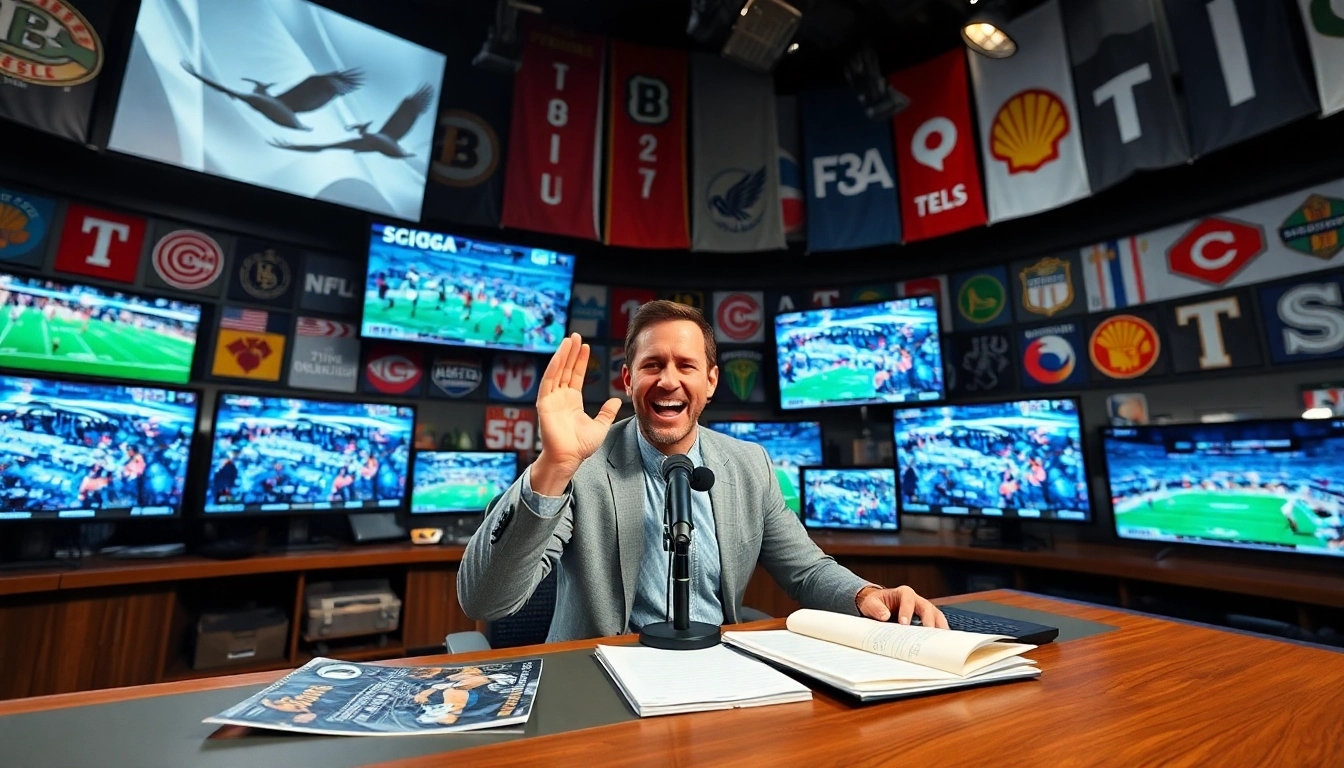
Understanding Sports Broadcasting
What is Sports Broadcasting?
Sports broadcasting refers to the transmission of live or recorded sports events to an audience through various mediums such as television, radio, and digital platforms. This dynamic field encompasses commentators, analysts, and production teams who work together to bring the excitement of live sports to fans around the globe. With the evolution of technology, Sports Broadcasting has transformed from traditional radio broadcasts to high-definition streaming, enhancing viewer experience and engagement.
History and Evolution of Sports Broadcasting
The roots of sports broadcasting can be traced back to the early 20th century, when radio broadcasts provided fans with live updates of games, bringing the atmosphere of stadiums into living rooms. The first play-by-play radio broadcast was of a baseball game in 1921, leading to surging popularity among sports enthusiasts. With the advent of television in the mid-20th century, the format saw a seismic shift. By the 1960s, networks began to invest heavily in sports broadcasting, producing not just live events but highlights, analysis, and specialized sports programming. The introduction of satellite technology in the 1980s allowed for global broadcasting, paving the way for sports networks like ESPN. Today, the rise of streaming and social media platforms is further changing the landscape, making sports more accessible than ever.
Key Components of Sports Broadcasting
A successful sports broadcasting operation involves several key components:
- Commentary: Play-by-play and color commentary provide immediate analysis and enhance viewer understanding of the event.
- Production Teams: These individuals coordinate everything from camera placements to graphics and advertisements, ensuring a smooth broadcast.
- Technical Infrastructure: High-quality equipment, such as cameras, microphones, and editing software, is essential for producing a professional broadcast.
- Broadcasting Rights: Negotiating rights to broadcast specific sporting events is a crucial business aspect of sports broadcasting.
Skills Required for Sports Broadcasting
Communication and Public Speaking Skills
Effective communication is at the heart of sports broadcasting. Broadcasters must articulate their thoughts clearly and dynamically to engage an audience. This includes verbal communication skills as well as non-verbal cues, such as body language and enthusiasm. For aspiring broadcasters, training in public speaking, storytelling, and verbal articulation is vital to deliver information compellingly and entertainingly.
Technical Skills in Broadcasting
With the growing reliance on technology, sports broadcasters need to be familiar with technical aspects of broadcasting. This includes understanding how to operate cameras, manage audio equipment, and handle graphic overlays. Proficiency in editing software and familiarity with streaming platforms are increasingly important in a landscape where content can be distributed on numerous digital channels.
Knowledge of Sports and Rules
Broadcasters must possess a deep understanding of the sports they cover, including rules, player stats, and strategies. This extensive knowledge allows them to provide informed commentary and analysis to viewers. Continuous learning through research and attending games enables broadcasters to stay updated on the latest trends and developments within the sports community.
Types of Sports Broadcasting
Live Broadcasting vs. Recorded Segments
Live broadcasting is characterized by real-time coverage of events, creating an immediacy that captivates audiences. The unpredictability of live sports adds to the excitement, requiring broadcasters to think on their feet. In contrast, recorded segments allow for editing, which can be used to highlight key moments or provide in-depth analysis that might not be possible during live coverage. Both formats serve unique purposes and cater to different audience needs.
Radio Sports Broadcasting
Radio broadcasts have a unique charm, allowing listeners to use their imagination while following a game. Radio sports broadcasting emphasizes auditory storytelling—it requires skillful painting of vivid images through words alone. Radio broadcasters must be adept at conveying excitement and details in a way that keeps listeners captivated without the visual representation that television or online streams provide.
Online and Streaming Sports Broadcasting
The rise of digital media has revolutionized how sports are broadcast. Online platforms and streaming services offer flexibility and accessibility, allowing viewers to watch on their devices wherever they are. With innovations like live chat, multi-angle viewing, and personalized content, online sports broadcasting is providing richer engagement for fans while also enabling niche sports to find their audience.
Best Practices in Sports Broadcasting
Engaging Your Audience
Engagement is key in sports broadcasting. Broadcasters should employ strategies to draw in viewers, such as interactive polls, social media integration, and audience participation segments. Keeping the audience informed with stats and player backstories fosters a connection that makes viewers feel personally invested in the event, enhancing their overall experience.
Preparing for Live Events
Preparation is paramount for successful sports broadcasting. Broadcasters need to gather extensive information about the teams, players, and nuances of the game before going live. This involves researching recent performances, injury reports, and statistical analyses. Additionally, technical setups must be tested beforehand to ensure quality sound and visuals during the event.
Utilizing Technology Effectively
Technology plays a central role in modern sports broadcasting. Broadcasters should leverage the latest advancements, such as augmented reality for enhanced graphics, instant replay systems for analysis, and social media for real-time interaction with fans. Understanding how to use technology to enhance storytelling and viewer engagement can significantly improve the quality of the broadcast.
Future Trends in Sports Broadcasting
The Impact of Social Media
Social media is reshaping sports broadcasting by allowing broadcasters to connect directly with fans. This platform serves various purposes, from promoting upcoming events to sharing behind-the-scenes content in real-time. Utilizing social media channels can help broadcasters build a dedicated following and improve viewer retention by fostering community around the sports they cover.
Emerging Technologies in Sports Broadcasting
Technologies such as artificial intelligence, virtual reality, and 5G networks are poised to change the landscape of sports broadcasting. AI can provide advanced analytics and personalized viewing experiences, while VR can offer immersive experiences that transport fans into the action. Meanwhile, enhanced connectivity promises to improve the quality of broadcasts significantly.
Globalization of Sports Broadcasting
As more sporting events become available worldwide, the globalization of sports broadcasting is expanding audiences. Cultural exchange and increased accessibility mean local sports can gain international viewers. Broadcasters are also navigating diverse markets, tailoring content to suit local tastes while maintaining global standards.
FAQs
What are the main roles in sports broadcasting?
Sports broadcasters typically include commentators, analysts, reporters, and producers, each playing a crucial role in delivering content.
How has technology changed sports broadcasting?
Technology has improved graphics, increased viewer interaction, and enabled streaming services, evolving how audiences engage with sports.
What skills are essential for aspiring sports broadcasters?
Essential skills include excellent communication, strong sports knowledge, adaptability, and proficiency with broadcasting technology.
How do broadcasters prepare for live events?
Broadcasters prepare by researching teams, players, and statistics, rehearsing commentary, and setting up equipment in advance for a smooth broadcast.
What future trends should sports broadcasters anticipate?
Future trends include enhanced interactivity, AI integration for analytics, and expansion of global broadcasts through streaming platforms.